Access issues narrow stair rubbish removals Hammersmith
Posted on 01/08/2026
Access issues narrow stair rubbish removals Hammersmith: a practical guide for tight hallways, steep stairs and awkward properties
If you live or work in a Hammersmith property with a narrow staircase, awkward turn, or no lift, rubbish removal can feel like a puzzle before it even starts. That's especially true in older mansion blocks, converted terraces, basement flats, and small commercial premises where access is tight and every corner seems to have a opinion of its own. This guide to Access issues narrow stair rubbish removals Hammersmith explains how the process works, what makes it safer and faster, and how to avoid the sort of problems that turn a straightforward clearance into a long, sweaty ordeal. Truth be told, the right planning makes a huge difference.
Below, you'll find a plain-English walkthrough of what to expect, how to prepare, what questions to ask, and which common mistakes are easiest to avoid. There's also a comparison table, a practical checklist, and a few real-world examples so you can judge whether a clearance is likely to be easy, fiddly, or somewhere in between.
Why Access issues narrow stair rubbish removals Hammersmith Matters
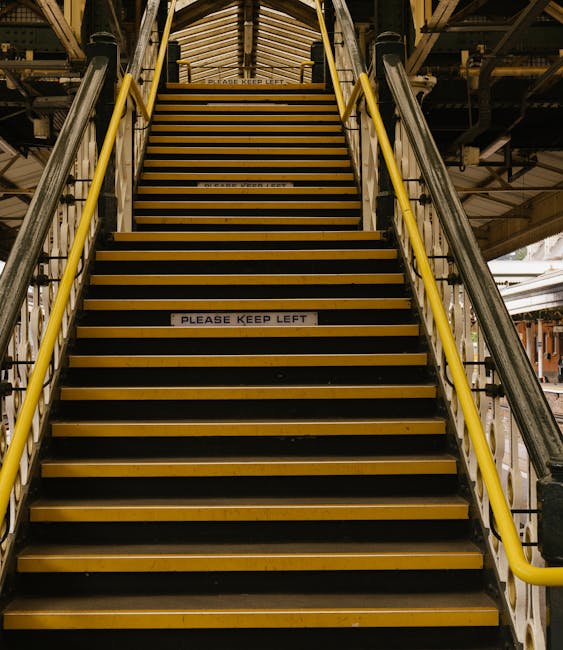
Access is not a minor detail. It shapes how safely, how quickly, and how efficiently rubbish can be removed from a property. In Hammersmith, that matters because the area has a mix of older buildings, split-level homes, upper-floor flats, and busy streets where loading space may be limited. A stairwell that looks manageable at first glance can become a bottleneck once you meet radiators on the landing, sharp turns, low ceilings, or a shared entrance that's already crowded with prams, bikes, and everyday life.
When access is tight, the main risks are usually quite practical: damage to walls, chipped banisters, scuffed flooring, slower loading times, and items getting stuck halfway down the stairs. And nobody wants the awkward moment where a bulky wardrobe is wedged in the stairwell while everyone stands around pretending they are "thinking."
Access planning matters for another reason too: it can affect cost. Not always dramatically, but enough that a quote based on easy ground-floor access may not reflect the real work involved. That's why it helps to be honest from the start about stair width, floor level, item size, and whether parking is nearby. A proper assessment saves hassle later.
For local context, Hammersmith properties often vary more than people expect. If you want to understand the residential and commercial mix a bit better, the area guides on living in Hammersmith and the character of the suburb are a useful backdrop. They help explain why access conditions can differ street by street, even within the same postcode.
How Access issues narrow stair rubbish removals Hammersmith Works
At its simplest, this type of clearance is about removing waste from a property where standard easy access does not exist. That could mean carrying bags down a tight staircase, moving furniture around a landing corner, or safely navigating an awkward basement route. The key is not brute force. It's method, patience, and the right preparation.
Most removals begin with a quick assessment. The team will want to know what needs removing, where it is located, how large the items are, and whether there are any access barriers such as narrow staircases, low handrails, split levels, or shared hallways. If you can describe the stair layout clearly, or send a photo, the job can usually be planned far more accurately.
Then comes the practical part: route planning. This is where the crew decides whether items should be carried in their current form, dismantled first, protected with covers, or moved with two-person lifting. In some cases, especially with very bulky furniture, the safest approach is partial disassembly before movement begins. That is often far easier than trying to squeeze a heavy item around a tight corner and hoping for the best.
Many readers also ask whether access problems mean the job cannot be done on the same day. Usually, not necessarily. Some awkward clearances are still straightforward once the crew understands the layout. For time-sensitive collections, the approach described in urgent rubbish removal in Hammersmith is a good reference point for what a rapid but organised visit tends to involve.
Where the route is genuinely difficult, the team may bring extra handling equipment, take more time per item, or separate the load into smaller, safer carries. The point is to reduce risk without turning the staircase into a site of pure chaos. Which, let's face it, is always the goal.
Key Benefits and Practical Advantages
Handling rubbish removal well in an access-restricted property delivers more than convenience. It can protect your walls, save time, reduce stress, and make the whole experience feel far less intrusive. That's the real advantage. Not just "job done," but job done without bruised knuckles and a trail of frustration.
- Less risk of damage: Careful planning helps protect paintwork, bannisters, floors, and door frames.
- Safer lifting: Narrow stairs increase the chance of slips or awkward lifting angles, so two-person handling can matter.
- Better time estimates: Clear access details make arrival windows and collection timings more realistic.
- Cleaner results: A tidy route and organised loading reduce mess in shared hallways and communal areas.
- Fewer surprises: Honest access descriptions usually prevent awkward price or timing changes later on.
There's also a practical benefit many people overlook: peace of mind in buildings with neighbours. In a shared conversion or managed block, noise and obstruction matter. If a team arrives ready to move items efficiently and quietly, that tends to make life easier for everyone in the building. You notice the difference immediately.
For households and landlords alike, access-aware rubbish removal can also support a smoother move-out, refurbishment, or probate clearance. If your situation is part of a bigger property project, the related guidance on house clearance in Hammersmith and loft clearance in Hammersmith may be useful, especially where awkward stairs link multiple storage areas.
Who This Is For and When It Makes Sense
This kind of clearance is for anyone dealing with awkward access, but some situations come up again and again. If you recognise your place in any of the examples below, you're probably in the right category.
- Tenants in upper-floor flats with narrow internal stairs
- Homeowners in converted Victorian or Edwardian buildings
- Landlords preparing a flat for re-let
- Estate agents and property managers dealing with move-outs
- Small businesses in older Hammersmith premises
- Anyone removing bulky furniture, white goods, or mixed waste from a tight route
It makes sense when the items cannot be safely carried by one person, when the stairwell is too narrow for easy turning, or when a standard lift-and-load approach would create too much risk. It also makes sense if you want the clearance done quickly but still properly. Speed is useful, yes, but not if it creates a broken shelf or a scraped staircase in the process.
In commercial settings, tight access can be even more awkward because you're balancing business hours, customer movement, and staff safety. If that sounds familiar, a look at commercial waste removal in Hammersmith and office clearance options can help you think through what is realistic in a busy setting.
Sometimes the issue is not the staircase itself but the sum of small obstacles: a tight hallway, a sharp landing, a front door that doesn't open fully, then a parked car outside. Taken individually, each one feels manageable. Together, they can slow everything down. That's the moment where proper planning really earns its keep.
Step-by-Step Guidance
If you want to make the process smooth, this is the sequence that tends to work best. It's not flashy, but it works.
- Measure the route. Check stair width, landing space, and any tight corners. If you can't measure precisely, take clear photos from bottom to top.
- List the items. Note bulky pieces, heavy bags, white goods, and anything fragile or awkwardly shaped.
- Describe the access honestly. Include floors, lifts, parking limitations, communal entrances, and any restrictions on timing.
- Ask how the team will handle bulky items. Some items may need dismantling or two-person carrying.
- Prepare the route. Move small obstacles, park bikes, and clear the hallway if possible.
- Protect the property. Use floor protection where needed, and make sure any shared surfaces are respected.
- Confirm the plan on arrival. Walk the route with the team so everyone is clear before lifting begins.
- Keep the loading area open. The quicker items can be passed out, the less time the team spends blocking the stairwell.
That sounds basic because it is basic. But basic things are often the things that save a job from becoming tedious. If a staircase has a tricky bend, for example, it helps to know in advance whether a chest of drawers needs to be carried upright or turned on its side. Small details, big difference.
Where the waste includes mixed household items, you may also want to check whether the collection aligns with the right disposal route. The broader service information on waste clearance in Hammersmith and rubbish collection in Hammersmith gives a sensible overview of what can usually be taken in one visit.
Expert Tips for Better Results
A few small habits make a big difference in access-restricted clearances. In our experience, these are the details that separate a smooth job from a fiddly one.
- Send photos early. A couple of good images are often more useful than a long description typed in a rush.
- Group items by type. Keep furniture, bags, and appliances separate if possible.
- Tell the team about fragile features. Glass panels, shallow steps, or decorative bannisters need extra care.
- Think about the exit route too. The front door, shared corridor, and kerbside space all matter.
- Leave a bit of breathing room. If the job is in a lived-in flat, don't overpack the stairwell beforehand.
One good tip that people often miss: if an item is too big by just a few centimetres, dismantling it may be far better than trying to force it through the stairs. That applies to wardrobes, bed frames, office desks, and some white goods. The extra time spent taking something apart can actually make the whole collection faster. Sounds backwards, but it works.
You may also want to consider timing. Early mornings can be quieter in some buildings, while mid-morning may be less disruptive if neighbours are out. On busier roads or near the Broadway, the loading side of the job can be affected by traffic and parking. If your clearance needs a fast turn-around, same-day rubbish removal near Hammersmith Broadway is relevant reading for the kind of scheduling pressure that can crop up.
Common Mistakes to Avoid
Most problems with tight-access rubbish removal are avoidable. The main issue is usually assumption. People assume a sofa will fit. They assume the stairs are "fine." They assume parking will somehow sort itself out. It rarely does.
- Underestimating item size: Measure before you book, not after the item gets stuck on the landing.
- Hiding access issues: If the stairs are very narrow or steep, say so clearly.
- Leaving the route cluttered: Shoes, bags, and bikes in the way slow everything down and increase trip risk.
- Forgetting building rules: Some blocks have restrictions on lift use, noise, or common-area access.
- Ignoring parking: If the vehicle can't get close, the carrying distance grows, and so does the effort.
- Choosing the cheapest quote without context: A low number can look good until the stairs enter the chat.
Another common mistake is not separating recyclable items from general waste when doing a big clearance. This can affect how the load is processed and how efficiently it is handled. The site's recycling and sustainability information is useful if you want to think a little more carefully about that side of the process.
And yes, sometimes the mistake is simply rushing. Everyone wants the clutter gone yesterday. Fair enough. But with narrow stairs, slow is often faster.
Tools, Resources and Recommendations
You do not need specialist equipment in most domestic cases, but a few simple tools and sensible preparation items can help a lot.
- Measuring tape for stair width and item dimensions
- Strong gloves for safe handling before the crew arrives
- Floor protection such as cardboard or coverings if the route is delicate
- Phone camera for sharing access photos in advance
- Sack or box labels to separate fragile, reusable, and waste items
- Clear communication notes for building managers or neighbours if needed
As a practical recommendation, take photos from the bottom of the stairs, the top landing, and any awkward bend. Those three angles usually tell the story. If a vehicle access question is also involved, mention where it can park and whether there is an estate gate, loading bay, or single yellow restriction nearby. It's not glamorous, but it is the sort of detail that saves time.
You may also find it useful to review the provider's basic operational pages before booking. For example, services overview, insurance and safety, and waste carrier licence and compliance offer a helpful sense of standards and responsibilities. If you're comparing how payment and trust are handled, payment and security is worth a quick look too.
Law, Compliance, Standards, or Best Practice
For this kind of work, the main compliance concerns are safety, duty of care, and responsible waste handling. In the UK, anyone removing waste should be able to show they operate legally and dispose of waste through proper channels. You do not need to become a compliance expert yourself, but you should expect the provider to take those duties seriously.
Best practice usually includes:
- Safe manual handling and teamwork for heavy items
- Respect for communal areas and shared access routes
- A clear plan for disposal, recycling, and reusable items
- Insurance appropriate to the work being carried out
- Honest, upfront communication about access and load conditions
Accessibility is another important point. A service that understands narrow stairways should also be mindful of keeping routes clear, not blocking emergency exits, and avoiding unnecessary disruption. That's where practical courtesy and formal responsibility overlap, which sounds a bit grand but is really just common sense.
If you want to see how a company frames those responsibilities, the accessibility statement, terms and conditions, privacy policy, and cookie policy provide the sort of transparency people should expect before booking. That transparency matters even more when access is awkward, because clear expectations prevent friction later on.
Options, Methods, or Comparison Table
Different access situations call for different approaches. Here's a simple comparison of the most common methods.
| Method | Best for | Advantages | Limitations |
|---|---|---|---|
| Carry items as-is | Light or medium items with enough stair clearance | Quick and straightforward | Risky for large furniture or tight turns |
| Dismantle before removal | Wardrobes, beds, desks, bulky items | Easier to navigate narrow stairs | Takes extra preparation time |
| Two-person lift | Heavy items with awkward weight distribution | Safer and more controlled | Needs coordination and space |
| Split-load clearance | Mixed rubbish with a few bulky pieces | Flexible and efficient | May need more sorting on site |
There is no single perfect method. The right choice depends on the item, the staircase, and the space at both ends of the route. A small flat with one tight bend may need more careful handling than a larger house with a steeper but wider stairwell. The trick is to judge the route honestly.
For bigger project clearances, such as moving out a property before sale or renovation, the related pages on furniture removal in Hammersmith, furniture disposal in Hammersmith, and white goods and appliance disposal in Hammersmith can help you think about what needs special handling.
Case Study or Real-World Example
Here's a realistic example from the kind of situation people in Hammersmith often face.
A tenant in a first-floor flat needed a double mattress, a broken bed frame, a small bookcase, and several bin bags removed before a move-out inspection. The building had a narrow internal staircase with a ninety-degree turn on the landing, a low ceiling at one point, and a shared entrance that other residents used during the morning rush.
Rather than forcing everything through in one go, the route was checked first. The bed frame was dismantled. The mattress was carried with care using two people. The bookcase was tilted on its side to get around the turn. The bin bags were moved last so the stairwell stayed clearer. It was not a dramatic job, just a careful one.
The result? No wall damage, no neighbour complaints, and no stressful last-minute reshuffling. The real success was that the awkward staircase never became the main event. That's how these jobs should feel: controlled, calm, and finished before anyone has time to get flustered.
If the same property had included more rooms, storage, or a loft full of unwanted items, then house clearance services or loft clearance support would have made the process more efficient. Different jobs, same principle: plan the access, then move with care.
Practical Checklist
Before booking a rubbish removal in a narrow-stair Hammersmith property, run through this quick checklist.
- Have you measured the staircase and key landing points?
- Have you listed every bulky item and heavy bag?
- Have you mentioned any steep, curved, or low-ceiling sections?
- Have you checked whether parking is close enough for efficient loading?
- Have you warned about shared hallways, lifts, or building rules?
- Have you cleared small obstacles from the route?
- Have you identified fragile walls, bannisters, or flooring?
- Have you asked how dismantling will be handled if needed?
- Have you confirmed the disposal route for recyclable and mixed waste?
- Have you chosen a provider with clear compliance and insurance information?
If you can tick most of those boxes, the job is usually in good shape. If you can't, don't worry. Better to notice the gaps now than halfway down a staircase with an armchair that definitely should have stayed in the lounge.
Get a free quote today and see how much you can save.
Conclusion
Access issues narrow stair rubbish removals Hammersmith is really about one thing: making awkward spaces manageable. With the right planning, the right handling approach, and honest communication about the property layout, even a tricky stairwell can become a routine job rather than a stressful one. That's the difference between simply moving rubbish and actually solving the access problem.
If you take away one idea, let it be this: measure early, describe the route clearly, and never assume a bulky item will "probably fit." It might. It might not. Better to know before the lift begins. A little prep goes a long way, and in Hammersmith's varied housing stock, that is often the smartest move by far.
Handled properly, these clearances are straightforward, safe, and refreshingly un-dramatic. And honestly, that's a good thing.



 Tipper Van - Rubbish Removal and Builders Waste Disposal Prices in Hammersmith, W6
 Luton Van - Rubbish Removal and Builders Waste Disposal Prices in Hammersmith, W6