Skip permit and rubbish rules Hammersmith and Fulham council
Posted on 23/10/2026
Skip permit and rubbish rules Hammersmith and Fulham council: a practical local guide
If you are planning a clear-out, renovation, or garden project, the Skip permit and rubbish rules Hammersmith and Fulham council can catch you out quickly if you are not prepared. One day you are pricing up a skip or booking a rubbish collection, and the next you are wondering whether the waste can legally sit on the road, who is responsible for the paperwork, and what the council expects from you. It is a common headache, honestly, especially in busy parts of west London where space is tight and streets do not exactly roll out the red carpet for bulky waste.
This guide breaks it down in plain English. We will cover how skip permits usually work, what rubbish rules matter most, who needs to pay attention, the common mistakes that trigger delays or extra costs, and the practical steps that help you stay compliant without overthinking every detail. If you want a smooth, tidy, no-surprises job, you are in the right place.

Why Skip permit and rubbish rules Hammersmith and Fulham council Matters
At first glance, skip rules can feel like admin fluff. But they matter because waste placed on the public highway is not just a convenience issue; it can affect safety, access, traffic flow, neighbours, and whether your project keeps moving. In a borough like Hammersmith and Fulham, where streets can be narrow, busy, and heavily used for parking and deliveries, even a small skip can cause knock-on problems if it is not placed and managed properly.
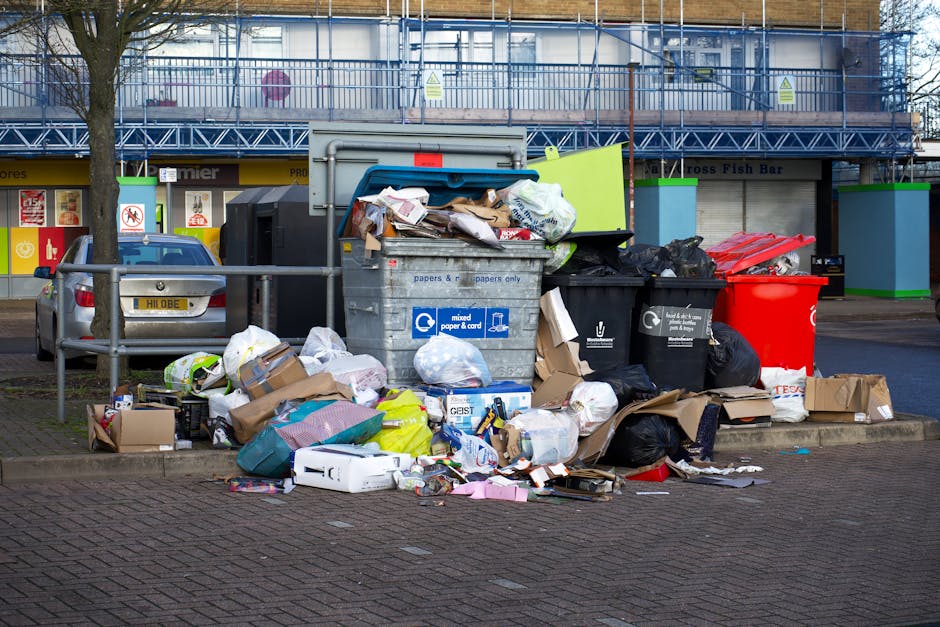
There is also the simple reality that rubbish left incorrectly can lead to complaints. A pile of builders' waste on the pavement may look temporary to you, but to everyone else it can look like an obstacle course. If you have ever tried to navigate around a sofa, broken plasterboard, and a half-full bin bag in the rain, you will know the feeling. Not ideal.
The rules matter for another reason too: they help you avoid delays. If a permit is needed and you do not have it, the skip could be refused, removed, or delayed. That can disrupt tradespeople, stretch your hire period, and create a domino effect on the rest of the job. A bit of planning now saves a lot of faff later.
Practical takeaway: if your waste is going on a public road, assume you need to check the permit position first. If it is staying entirely on private land, you may still need to think about access, safety, and how the rubbish will be collected.
How Skip permit and rubbish rules Hammersmith and Fulham council Works
The basic idea is straightforward: if a skip is placed on private property, the arrangement is usually simpler. If it is placed on a road, pavement, verge, or other public space, permission is typically required. The exact process depends on the location, the waste type, and how the skip or collection vehicle will be used, but the principle stays the same.
Usually, the person arranging the skip or waste removal needs to make sure the relevant permissions and practical safeguards are in place. In many cases, a skip hire company handles the permit application as part of the service, though you should always confirm this before booking. If they do not manage permits themselves, you may need to take on that part of the process. That is where people get caught out, because everybody assumes somebody else has it covered. Spoiler: sometimes nobody has.
Rubbish rules are broader than skip permits. They also cover how waste is presented, what can and cannot be left out, whether bags should be sealed, whether bulky items need separate handling, and how construction or commercial waste should be stored before collection. For homes, that can mean thinking about bin day, overfilled sacks, bulky furniture, or garden waste. For businesses, it often means controlling waste streams more carefully and making sure the chosen removal service is licensed and suitable.
If you are dealing with mixed rubbish, it helps to think in categories:
- Household waste: everyday refuse, bagged items, and small domestic clear-outs.
- Bulky waste: furniture, mattresses, appliances, and larger awkward items.
- Builders' waste: rubble, plasterboard, timber, packaging, and renovation debris.
- Commercial waste: office contents, retail waste, and regular business rubbish.
Each category can bring different handling expectations. A few sofa cushions and a broken chair are not the same thing as a load of rubble from a kitchen rip-out. That sounds obvious, but in real life people mix them all the time and then wonder why the quote changes or the collection is delayed.
Key Benefits and Practical Advantages
Following the local rules is not just about avoiding trouble. Done well, it makes the entire job smoother, safer, and usually cheaper in the end. To be fair, that is what most people want anyway.
1. Fewer delays
If the permit, access, and collection details are sorted early, you avoid last-minute phone calls and awkward rescheduling. That matters when decorators, plumbers, or builders are waiting around with tools in hand.
2. Better street safety
A properly placed skip with the right markings, visibility, and permissions is much less likely to create a hazard for pedestrians, cyclists, or vehicles. In busy local streets, that matters more than people realise.
3. Clearer budgeting
When you understand whether a permit, collection, or extra access arrangement is needed, your quote becomes more reliable. No one likes a budget that mutates halfway through the week.
4. Less stress with neighbours
Nothing sours a project faster than a neighbour coming home to find their parking space blocked or their front path cluttered. Good waste planning is a small courtesy that goes a long way.
5. Better compliance and fewer mistakes
Whether you are managing a one-off home clear-out or a regular trade job, using the right disposal method helps you stay on the right side of local expectations and general waste rules.
| Approach | Best for | Main advantage | Typical drawback |
|---|---|---|---|
| Skip on private drive | Homes with driveway access | Simple, fewer public-space issues | Not always enough room |
| Skip on road with permit | Roadside locations | Useful where access is limited | Needs planning and permission |
| Man-and-van rubbish collection | Small to medium loads | Fast and flexible | May not suit heavy mixed waste |
| Dedicated waste clearance service | Full clear-outs and awkward items | Hands-off and efficient | May cost more for very small jobs |
Who This Is For and When It Makes Sense
This topic matters to a wider group than people first expect. It is not just for builders or landlords. In fact, some of the most common problems come from ordinary household jobs that grow legs.
- Homeowners doing renovations, loft clearances, kitchen refits, or garden work.
- Renters clearing bulky items before moving out, though landlord and tenancy permissions may also matter.
- Landlords and letting agents handling end-of-tenancy rubbish or property refreshes.
- Builders and trades dealing with renovation debris, plasterboard, and mixed construction waste.
- Businesses clearing offices, shops, storage rooms, or stock rooms.
- Anyone with limited access who cannot easily load waste into a vehicle or leave it on-site.
It makes sense to think about skip permits and rubbish rules Hammersmith and Fulham council style if you are in any of these situations and the waste cannot remain neatly inside private property. If the kerb is your only realistic option, permit planning should move to the top of the list. Not later. Top of the list.
There is also a practical angle. A small skip might be overkill for one broken wardrobe, but a full house clear-out without a skip or proper waste service can become a miserable series of trips, heavy lifting, and black bags that seem to multiply overnight. You know the sort of thing.
Step-by-Step Guidance
If you want to keep things tidy and compliant, a simple process helps. Below is a practical route you can follow without getting lost in jargon.
Step 1: Work out what kind of waste you have
Start with the basics. Is it household rubbish, garden waste, builders' waste, furniture, or a mixed load? The type of waste affects the disposal method, the vehicle size, and sometimes the paperwork. A clean load of garden waste is a very different job from rubble, plaster, and broken cabinets.
Step 2: Decide where the waste will sit
If the skip or container will sit on private land, the process is usually simpler. If it will be on a public road or pavement, you should assume a permit or similar permission is needed. The more visible and exposed the location, the more important it is to check early.
Step 3: Confirm whether the provider handles permits
Some skip companies manage this as part of their service. Others do not. Ask directly. It saves time and prevents the classic last-minute message: "Oh, we thought you were doing that."
Step 4: Plan access and timing
Think about delivery times, parking restrictions, and whether the road is narrow, busy, or likely to have access issues. Morning deliveries can be easier in some parts of the borough, while others are best after school runs or delivery peaks. Local timing matters more than people think.
Step 5: Check loading rules
Do not overfill a skip. Keep waste level where possible and avoid unsafe stacking. Heavy materials should usually go in first. Also make sure prohibited items are not added by mistake. A skip full of the right material is far easier to manage than a mixed jumble of things nobody wants to sort later.
Step 6: Keep the area tidy
Whether you are using a skip or a collection service, keep loose rubbish contained. On windy days, small bits of packaging and insulation can travel surprisingly far. A few minutes of tidy-up saves a lot of mess.
Step 7: Arrange final removal without delay
Once the skip is full, book collection promptly. Leaving it sitting there longer than necessary is not great for neighbours, parking, or safety. Waste should move on. That is the whole point.
Expert Tips for Better Results
Here is the kind of advice that usually saves people time, money, or both.
- Book earlier than you think you need to. Permits, access, and vehicle availability can all take longer than expected.
- Separate waste if you can. Clean streams of waste are easier to manage and sometimes easier to quote for.
- Measure access properly. A narrow street, low tree branch, or awkward turning circle can turn a simple job into a slow one.
- Take photos before and after. It sounds basic, but a quick set of pictures helps avoid confusion over condition, loading, and completion.
- Ask about restrictions before you book. A good provider should explain what they can and cannot take.
One small but useful habit: put all the bulky items in one place before collection day. You will notice the job suddenly feels half as chaotic. Less hunting, less dragging, fewer "where did that broken shelf come from?" moments.
And yes, sometimes the smallest detail makes the biggest difference. A street that looks fine in the afternoon can be packed tight by evening. London, eh?
Common Mistakes to Avoid
A lot of the problems people run into are preventable. Most are not dramatic. They are just annoying, expensive, or both.
Assuming a permit is automatic
Do not assume roadside placement is fine without checking. That is one of the biggest reasons jobs get delayed.
Booking the skip before checking space
It sounds obvious, but plenty of people order first and measure later. Then the vehicle arrives and there is nowhere sensible to place it.
Mixing prohibited or unsuitable items
Waste providers can usually explain what they can take. If you ignore that guidance, you may face extra charges or a refused collection.
Leaving waste unsecured
Loose rubbish can blow away, attract complaints, or make the site untidy. Nobody wants that.
Not planning for neighbours or access
Blocking a driveway, footpath, or entrance without warning is a quick way to create friction. Sometimes a note through the door helps more than you might expect.
Choosing the wrong service for the job
A small domestic collection is not always the right answer for a full builders' load, and a skip may be excessive for a handful of furniture items. Match the method to the actual waste, not the other way round.
Tools, Resources and Recommendations
You do not need a big toolkit to manage waste properly, but a few simple things make life easier.
- Tape measure: helpful for checking access, gate width, and possible skip placement.
- Phone camera: useful for documenting the site, access point, and waste volume.
- Notepad or notes app: keep record of collection dates, permit details, and provider instructions.
- Tarpaulin or dust sheets: can help keep materials contained in wet or windy weather.
- Gloves and sensible footwear: basic, but worth mentioning because waste jobs do not care about your nice trainers.
When choosing a service, look for clear communication, transparent pricing, and proper waste handling practices. You can also review pages such as the services overview, waste carrier licence and compliance information, and pricing and quote guidance if you want to understand how a professional waste provider should operate.
If you are handling household items, it may also help to look at domestic waste collection in Hammersmith, rubbish collection options, or more specialist pages like builders' waste disposal and house clearance services. The right fit really depends on the job in front of you.
Law, Compliance, Standards, or Best Practice
Waste work in London sits inside a wider framework of legal and practical responsibilities. The exact rules vary by site and waste type, so it is sensible to treat this as a general guide rather than a substitute for current local instructions.
In practical terms, compliance usually means four things:
- Proper permission for any skip or obstruction on public land.
- Safe placement so the public highway is not put at unnecessary risk.
- Correct waste handling with the right separation and disposal route.
- Licensed collection where the provider is authorised to carry waste.
Best practice also means avoiding fly-tipping, never leaving waste in a way that encourages nuisance, and making sure the person removing the rubbish is genuinely equipped to do the job. If a provider cannot clearly explain how waste is transported and processed, that is a red flag. Not always a deal-breaker, but worth pausing over.
For businesses and landlords, there is an extra layer of responsibility. Waste should not just disappear into the nearest van. Keep records, understand what is being removed, and use services that can speak confidently about compliance. The slightly boring part is often the most important part. Funny how that works.
Options, Methods, or Comparison Table
When people search for skip permit and rubbish rules Hammersmith and Fulham council, they are often really asking: "What is the easiest and safest way to get rid of this stuff?" The answer depends on access, volume, and urgency.
| Method | Typical use | Pros | Cons |
|---|---|---|---|
| Skip hire | Medium to large volumes, renovation waste | Good capacity, flexible loading | May need a permit on the road |
| Man-and-van collection | Bulky items, smaller loads, quick clearances | Fast, often convenient | Less suitable for very heavy or bulky rubble |
| Full clearance service | House, loft, office, or garage clear-outs | Minimal effort for the customer | Can be more than you need for small jobs |
| Private land skip | Driveways or private yards | Simpler than roadside placement | Space dependent |
If you have room on private land, that is often the least complicated route. If not, a road permit may be the practical option. And if the job is small but urgent, a direct collection may be the cleaner answer. There is no magic one-size-fits-all choice here.
Case Study or Real-World Example
Picture a typical semi-detached house near a busy local road. A couple is refurbishing the kitchen and clearing an old fridge, cabinets, broken tiles, and packaging. At first they assume a skip can just go outside for a few days. Simple enough, right?
Then reality arrives. The road is tight. Parking is already limited. Delivery vans use the street during the day, and the skip would need to sit partly on the carriageway. That means permission needs checking, timing needs planning, and the skip placement has to be thought through properly. Meanwhile, the fridge cannot just be left leaning against the wall because it is awkward and heavy, and one of the cabinets is splintered enough to be unsafe.
In that kind of situation, the best solution might be a mixed approach: remove the bulky appliance separately, book a suitable waste collection for the cabinets and packaging, and only use a skip if the volume justifies it. That keeps the job moving without paying for more capacity than needed.
The useful lesson is not that every job should avoid a skip. Far from it. The lesson is that the right disposal method depends on the street, the waste, and the pace of the project. Once you see it that way, the whole thing becomes much less stressful.
Practical Checklist
Use this quick checklist before you book anything:
- Have you identified the exact waste type?
- Do you know whether the skip or waste will be on private or public land?
- Have you checked whether a permit or permission is needed?
- Do you know who is arranging the permit?
- Have you measured access, width, and any awkward corners?
- Do you know what items are allowed in the collection or skip?
- Have you planned for neighbours, parking, and pedestrian access?
- Is the collection provider properly licensed and clear about compliance?
- Have you compared skip hire with rubbish collection to see which is more suitable?
- Have you booked enough time for loading, but not too much that waste sits around unnecessarily?
If you can tick most of those off, you are already ahead of the game.
Conclusion
The main thing to remember is simple: skip permits and rubbish rules are there to keep your project safe, tidy, and legally straightforward. Once you understand the basics, the whole process becomes much easier. Check where the waste is going, confirm whether public-space permission is needed, match the service to the job, and do not leave the admin until the last minute.
That is really the heart of it. A little planning now saves a lot of hassle later, especially in a busy borough where space, parking, and access can change a straightforward job into a small logistical puzzle. But it is manageable. Very manageable, in fact, once you know what to ask.
If you are comparing options, reviewing compliance, or planning a clear-out, the safest route is usually the one that fits the waste properly and keeps the street clear. Simple, sensible, done.
Get a free quote today and see how much you can save.



 Tipper Van - Rubbish Removal and Builders Waste Disposal Prices in Hammersmith, W6
 Luton Van - Rubbish Removal and Builders Waste Disposal Prices in Hammersmith, W6